In the quiet moments of our daily lives, our hearts beat with a rhythm we often take for granted. Yet, this rhythm can be disrupted by the silent force of high blood pressure, a precursor to life-altering events like heart attacks. While some may feel invincible in the absence of symptoms, the truth is, high blood pressure requires vigilant management. Thankfully, there are gentle, natural approaches to help us steer clear of these silent dangers while nurturing our overall well-being.
Understanding Blood Pressure
What does it mean to have normal blood pressure? Historically, a reading of 120 over 80 was the gold standard. However, as we learn more about cardiovascular health, some flexibility has been introduced. For some individuals, values up to 140 over 90 might be acceptable, reflecting the diverse needs of each person. Nonetheless, exceeding these limits can increase the risk of serious complications, making it crucial to keep our blood pressure in check.
Feeling good doesn't necessarily mean your blood pressure is under control; it's essential to manage high blood pressure even in the absence of symptoms.
— from the video
Natural Techniques for Pressure Control
There are several simple yet effective techniques to help manage high blood pressure. These methods not only offer immediate relief but also support overall cardiovascular health.
Deep Breathing
Deep breathing is a powerful tool for combating stress-induced blood pressure spikes. By lying on your back and practicing slow, deep inhalations followed by exhalations, you can help relax the body and facilitate the dilation of blood vessels. This practice stimulates the parasympathetic nervous system, promoting a state of calm.
In moments of unexpected blood pressure rise, a foot or hand bath with water heated to around 113°F can be a quick fix. Immersing your extremities in warm water helps blood vessels to dilate, allowing blood to flow more freely and reducing pressure against vessel walls.
Mint Tea and Mental Relaxation
Consuming mint tea can also aid in controlling blood pressure due to its calming properties. However, if you're on blood pressure medication, consult your doctor before adding it to your routine. Additionally, incorporating mental relaxation techniques such as meditation and yoga can significantly improve cardiovascular health by reducing stress and anxiety.
Practice deep breathing for relaxation.
Use foot or hand baths to quickly lower blood pressure.
Drink mint tea with caution if on medication.
Incorporate meditation and yoga into your routine.
Lifestyle Changes for Lasting Health
For effective long-term blood pressure control, lifestyle changes are fundamental. Here are some strategies that can help:
Weight Reduction: Every kilo lost can lower blood pressure by approximately one point.
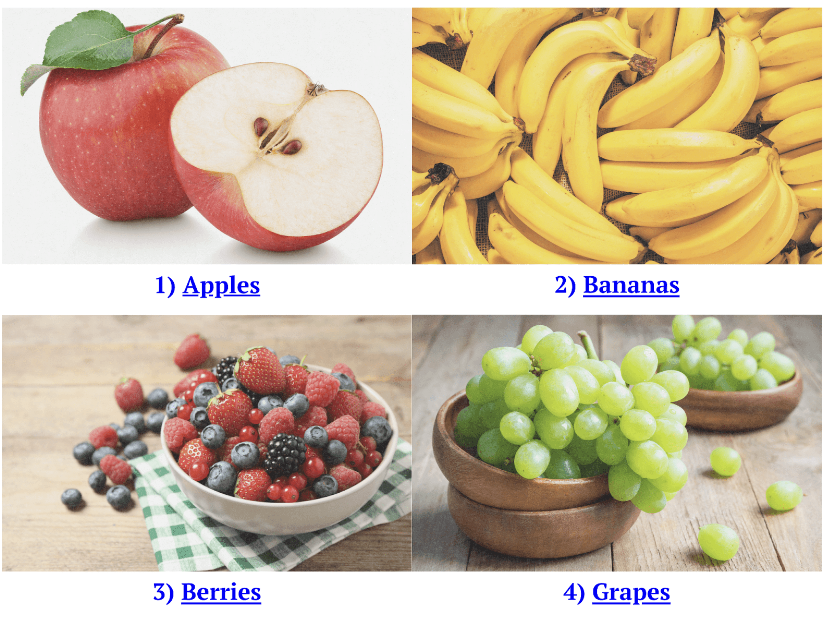
Dietary Adjustments: Increase fruits, vegetables, and whole grains; reduce refined and fatty foods.
Regular Physical Activity: Engage in 30 minutes of aerobic activity daily.
Reduce Salt and Smoking: Limit salt intake and quit smoking for better cardiovascular health.
These adjustments not only support a healthy heart but also enhance general well-being, providing a solid foundation for a life less burdened by the silent threats of high blood pressure.
In the journey to maintain heart health, it's the daily choices we make that truly matter. By exploring and incorporating these natural methods and lifestyle changes, you can take meaningful steps toward managing blood pressure. Always remember to consult with a healthcare professional when integrating new treatments into your routine.