Understanding the Signs of Enlarged Prostate: What Every Man Needs to Know
Watch the source video
Imagine you're in the middle of a riveting game, or perhaps preparing a meal, and suddenly, your body insists on an unscheduled trip to the restroom. This scenario might sound familiar to many men as they age and it could be a sign of an enlarged prostate. While it might seem like a minor inconvenience, understanding these changes can be crucial for your overall health.
The Prostate and Its Role
The prostate is a small, walnut-shaped gland located between the bladder and the penis. It surrounds the urethra, the tube through which urine exits the body. As men age, it's common for the prostate to enlarge, a condition known as benign prostatic hyperplasia (BPH). This enlargement isn't cancerous and usually doesn't pose a direct health threat, but it can affect the way you urinate.
Recognizing the Signs
One of the most noticeable signs of an enlarged prostate is increased frequency in urination. You might find yourself needing to use the bathroom more often, especially during the night, a condition known as nocturia. This disruption can lead to poor sleep and daytime fatigue, affecting your mood and energy levels.
Increased urination frequency, particularly at night.
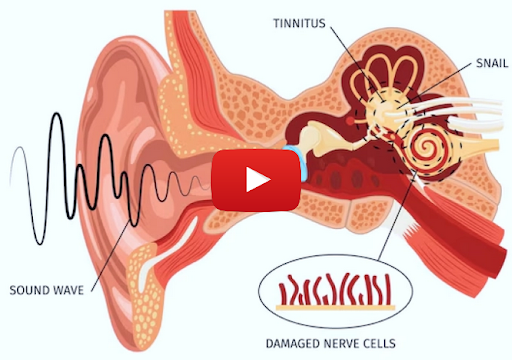
Discover the 5-second method to silence ear ringing
Understanding the Risks
While BPH itself isn't linked to prostate cancer, the symptoms can be alarmingly similar. This overlap makes it challenging to distinguish between the two based solely on symptoms. Prostate cancer might present additional signs such as blood in urine or semen, and unintentional weight loss. Consulting a healthcare professional is crucial for an accurate diagnosis.
The only way to differentiate between benign prostate enlargement and cancer is through medical evaluation and tests.
— from the video
Taking Action
If you notice these signs, it might be helpful to track your symptoms and discuss them with your doctor. They can perform tests to determine the cause of your symptoms and suggest potential treatments or lifestyle adjustments.
Prostate health is an important aspect of men's health, and being aware of the signs of enlargement can make a significant difference to your quality of life. Don’t hesitate to reach out to a healthcare provider if you have concerns. A simple conversation can lead to the peace of mind you might need.