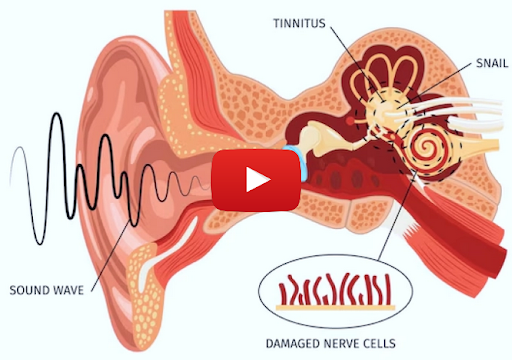
Imagine a constant buzzing or ringing in your ears, a soundtrack only you can hear. For nearly 10% of the population, this is a daily reality known as tinnitus. While commonly associated with hearing loss and loud noise exposure, tinnitus can be influenced by many lesser-known factors that might be making it worse. Let's explore some surprising contributors to this auditory phenomenon.
The Impact of Caffeine and Nicotine
Both caffeine and nicotine are psychomotor stimulants that many rely on for a boost of energy. However, these substances can also increase blood pressure, which may amplify tinnitus perception. This occurs because the cochlea, your hearing organ, requires a steady flow of oxygenated blood. When blood pressure rises, it can constrict the vessels feeding the cochlea, reducing blood flow and increasing tinnitus. If you notice your tinnitus spikes throughout the day, it might be worth tracking your intake of these stimulants.
Medications and Their Role
Certain medications can also exacerbate tinnitus. Pain relievers like aspirin, ibuprofen, and some antibiotics can heighten tinnitus perception, especially at high doses or with prolonged use. If you suspect your medication is affecting your tinnitus, consult with your doctor or pharmacist about possible alternatives.
Discover the 5-second method to silence ear ringing
The Alcohol and Salt Connection
Alcohol and salt can disrupt the fluid balance within your cochlea, which is essential for its proper function. Many might recognize the dizziness that follows a few drinks, linked to this imbalance affecting the inner ear's balance organ. Similarly, these changes can alter tinnitus perception. If a routine drink or salty snack is part of your evening, it could be influencing your symptoms. Understanding this connection can help you manage your intake and its effects on your tinnitus.
Limit caffeine and nicotine to see if your tinnitus reduces.
Discuss medication alternatives with your healthcare provider.
Monitor alcohol and salt consumption and note any changes in your symptoms.
Evaluate your sleep habits to improve overall quality.
Address any hearing loss with appropriate interventions.
Poor sleep quality can heighten stress levels, making it more difficult for the brain to ignore tinnitus signals, thus amplifying their perception.
— from the video
The Vicious Cycle of Poor Sleep
Sleep and tinnitus share a complex relationship. Inconsistent or poor quality sleep can increase stress, making it challenging for the brain to filter out tinnitus sounds. This exacerbation creates a cycle where the tinnitus makes sleep even more elusive. If sleep disturbances are a concern, consider discussing this with a sleep specialist.
Addressing Untreated Hearing Loss
Finally, untreated hearing loss is a common companion of tinnitus. Approximately 90% of those with tinnitus experience some degree of hearing loss. Addressing this with hearing aids can significantly reduce tinnitus perception, as restoring sound information helps the brain focus less on the internal noise.
Understanding and managing factors that influence tinnitus can empower you to take control of your experience. By making thoughtful changes and seeking appropriate help, you can lessen the impact of tinnitus and improve your quality of life.