Understanding Venous Stasis Ulcers: Common Challenges and Practical Solutions
Watch the source video
Imagine a traffic jam, not on the highway, but within your own body. Blood trying to find its way back to your heart gets stuck in your legs, causing them to swell and hurt. This is a reality for millions of people dealing with venous stasis ulcers, a common yet troubling condition that disrupts their daily lives. Understanding the nature of these ulcers can be the first step towards managing them effectively.
The Causes of Venous Stasis Ulcers
Venous stasis ulcers develop when blood circulation is impaired. The veins, which should be bringing blood back up to the heart, struggle to do so, often due to venous insufficiency or lymphedema. As a result, blood pools in the lower extremities, especially around the ankle joint, eventually leading to ulcers. These ulcers appear as blisters or open wounds and can be incredibly painful.
Dr. Tom Biernacki explains that venous ulcers are like a traffic jam, where the congestion of blood can lead to swelling and skin damage.
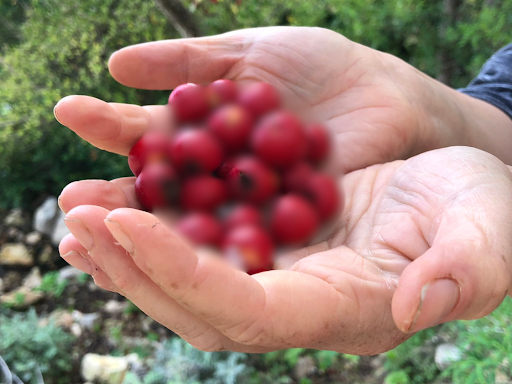
Discover the berry solution for peaceful sleep tonight
Practical Steps for Management
Consider wearing compression socks to reduce swelling and improve circulation.
Choose proper footwear and insoles to support your feet and ankles.
Incorporate strength training and cardio exercises into your routine to aid blood flow.
Elevate your legs during rest to help blood return to the heart.
Consult with a doctor regularly to monitor and manage your condition.
The Role of Wound Care
Proper wound care is essential in managing venous ulcers. This includes keeping the wound moist and protected, which can be facilitated by using hydrocolloid dressings or silver dressings. These dressings help control bacterial buildup and promote healing.
Why Movement Matters
Movement is crucial. Exercise not only helps in maintaining a healthy weight but also enhances blood circulation, which is vital in managing venous ulcers. Simple activities like walking or even standing up every hour can significantly impact your circulation.
Venous stasis ulcers can be daunting, but with informed care and regular management, you can improve your quality of life. Be proactive in seeking professional advice and incorporate lifestyle changes that support your vascular health. Remember, small steps can lead to significant improvements.