Choosing Wisely: A Dental Hygienist’s Take on Everyday Decisions
Watch the source video
In the world of dental dilemmas, making the right choice isn't always clear-cut. Imagine standing in front of the dental care aisle, staring at the myriad of options. A dental hygienist, who shares insights from years of study and practical experience, might just have the guidance you need to navigate these choices wisely.
The Battle Between Cavities and Gum Disease
Given the choice between a cavity and gum disease, our expert would choose a cavity. The reason? While both are serious, cavities generally affect one tooth at a time and can often be managed with a simple filling. On the other hand, gum disease can lead to irreversible consequences like gum recession and bone loss, making it a chronic condition that demands lifelong management.
Cavities, when detected early, are usually a one-tooth problem, whereas gum disease can have systemic impacts and requires ongoing care.
— from the video
Water Flossers vs. String Floss
In the debate over water flossers and string floss, our guide leans towards string floss for most people. String floss excels at physically removing plaque from between teeth, especially at the contact points where cavities frequently form. While water flossers offer great benefits for those with braces or gum issues, and they help stimulate gums, string floss remains the go-to for effectively disrupting plaque.
Warning: Avoid Brushing Your Teeth In This Common Direction
Discover the Dentists' Daily Brushing Switch
The Role of Mouthwash in Oral Care
Mouthwash can be a nice addition to your oral care routine, but it is not essential. The hygienist suggests that if you're brushing and flossingwell, skipping mouthwash won't compromise your dental health. Mouthwash can freshen breath and add fluoride, but it doesn't replace the mechanical action needed to remove plaque.
Focus on effective brushing and flossing routines.
Consider mouthwash as a supplementary step, not a primary one.
Choose mouthwash with fluoride if prone to cavities.
Toothpaste Choices: Fluoride or No Fluoride?
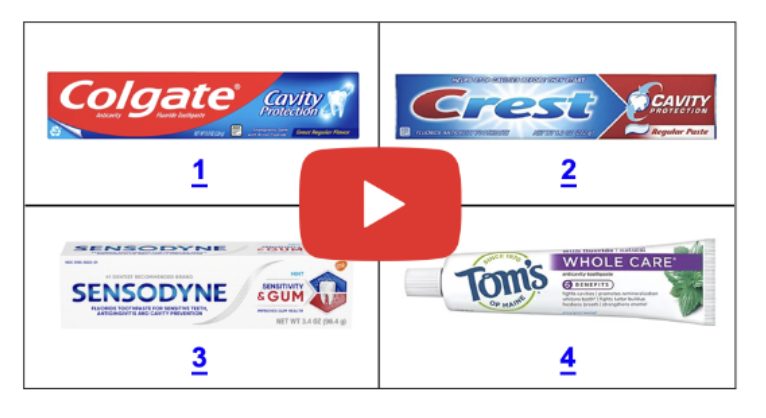
Without hesitation, the choice is fluoride toothpaste. Fluoride is renowned for its ability to strengthen enamel and help prevent cavities by making teeth more resistant to acid attacks. Although other ingredients are gaining popularity, fluoride remains the tried-and-true option for cavity prevention.
Manual vs. Electric Toothbrushes
When it comes to toothbrushes, the hygienist picks electric toothbrushes. They are often more effective due to built-in features like timers and pressure sensors, which help ensure a thorough clean. While a manual toothbrush can work well with proper technique, the electric option minimizes user error and is generally easier for most people.
Deciding on the best dental tools often depends on personal needs and habits. By considering expert advice and weighing the benefits of each option, you can tailor your oral care routine for optimal health. Remember, consulting with your own dental professional is always a smart move to ensure you're making the best choices for your unique situation.