Decoding Toothpaste: The Hidden Ingredients Behind Your Smile
Watch the source video
Imagine brushing your teeth with a product as potent as a weed killer. While it might obliterate the weeds, it could also wreak havoc on the surrounding environment. This analogy might sound extreme, but it serves to illustrate an important point about toothpaste ingredients. Every day, millions of people use toothpaste to maintain oral hygiene without a second thought, unaware of the hidden chemicals lurking within their minty tubes.
The Role of Toothpaste
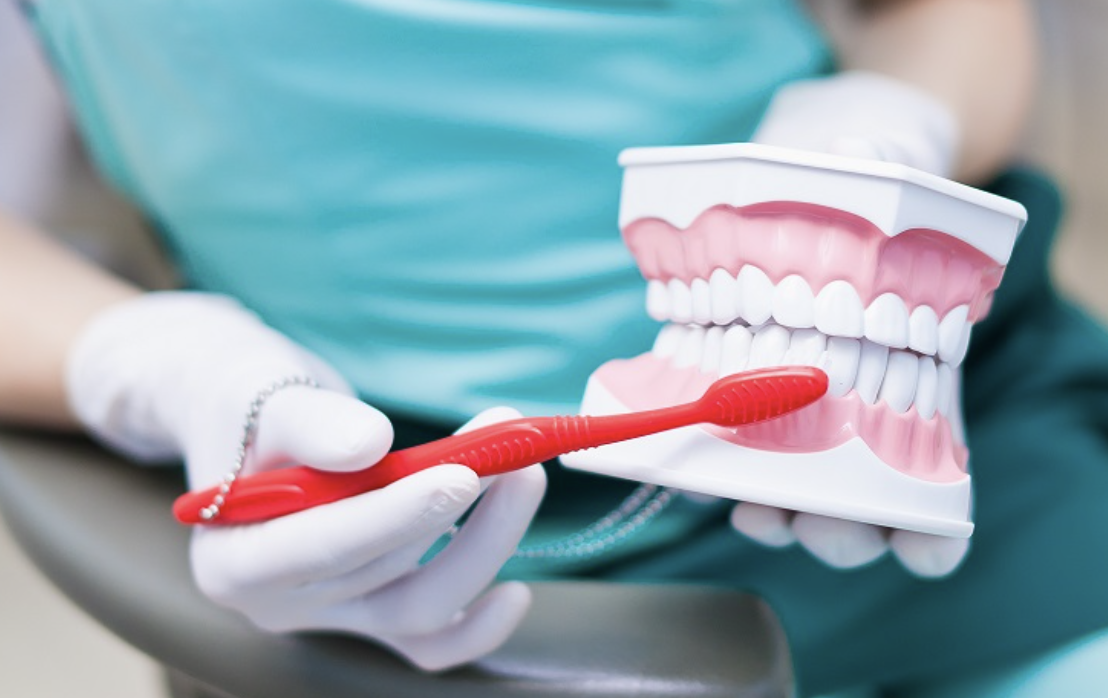
Toothpaste isn't just about making your breath minty fresh. It's meant to remove plaque, the sticky bacteria that can lead to tooth decay and gum disease. But what if toothpaste isn't necessary for this process? Brushing alone can effectively remove food particles and plaque. However, toothpaste adds a pleasant flavor, making the ritual more enjoyable.
Unpacking Common Ingredients
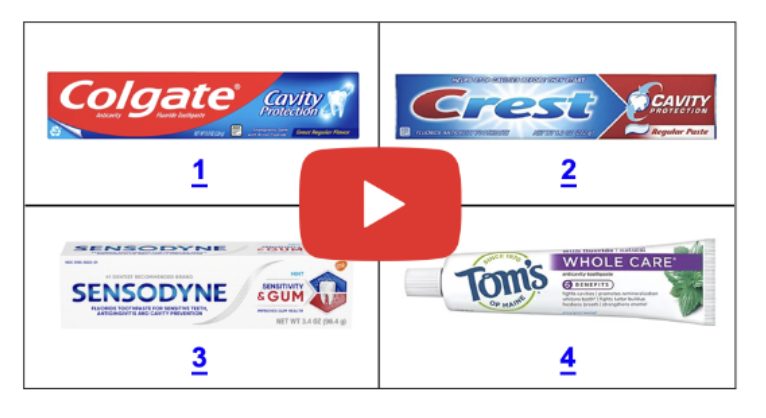
In the realm of regular toothpaste, several ingredients might raise eyebrows. Fluoride is a well-known component, praised for preventing decay but critiqued for being a toxic chemical with potential systemic effects. The abrasive agents, often made from chalk or microplastics, help fight plaque but can also damage the enamel if too harsh.
Check for toothpastes with a low RDA (Relative Dentin Abrasivity) value to protect enamel.
Look for natural flavoring agents over artificial ones.
Consider toothpaste without harsh detergents like SLS (sodium lauryl sulfate).
While regular toothpaste might contain ingredients like triclosan and artificial sweeteners, which are controversial for their health effects, natural toothpaste avoids these 'nasty nine'.
Natural toothpastes are gaining popularity for their cleaner ingredient lists. They often include xylitol, a sugar alcohol that combats decay-causing bacteria, and hydroxyapatite, which can remineralize enamel effectively. Other beneficial components include aloe vera, known for its soothing properties, and baking soda, a gentle abrasive that helps whiten teeth naturally.
Evaluating Effectiveness
Dr. Rachel suggests that while natural toothpastes might not contain synthetic whitening agents, they can still be effective. Ingredients like tea tree oil offer antibacterial benefits, while essential oils add flavor without harmful additives.
In a world where we often equate effectiveness with complexity, it's refreshing to consider that the best solutions might be simpler, natural alternatives. As consumers become more health-conscious, the demand for transparency in oral care products is likely to grow. Choosing a toothpaste that aligns with your health and environmental values could be as simple as reading the label and understanding the ingredients. Your smile, after all, deserves the best care.