Exploring the Maha Diet: A Path to Healthier Eating?
Watch the source video
Imagine a world where the food on your plate not only nourishes your body but also promotes a greater sense of well-being and health. The Maha diet, short for Make America Healthy Again, seeks to turn this vision into reality. Born out of concern over rising obesity and disease rates, the Maha diet is a call to return to our dietary roots, favoring whole, unprocessed foods over the heavily processed options that line supermarket shelves.
The Foundation of the Maha Diet
At its core, the Maha diet challenges the traditional food pyramid, emphasizing a shift away from low-fat, high-carbohydrate eating patterns. Robert F. Kennedy Jr., a proponent of this movement, argues that the old model has inadvertently pushed more processed foods and sugar into our diets. Instead, the Maha approach champions clean eating with a focus on whole foods and a reduction of sugar intake.
When following the Maha diet, you want your food to closely match what it looked like in its natural state.
— from the video
Navigating Protein and Healthy Fats
The Maha diet prioritizes protein, but Dr. Steven Gundry advises against doubling protein intake as suggested. He notes that excess protein can be converted into sugar, which our bodies readily store as fat. Instead, he recommends consuming protein in moderation, with servings that fit into the palm of your hand. He suggests choosing minimally processed sources like grass-fed beef and pastured chicken.
Opt for grass-fed or wild protein sources.
Include healthy fats like avocado and olive oil in your diet.
Balance protein intake to prevent excess conversion to sugar.
As for fats, the diet encourages embracing healthy fats like those found in walnuts, chia seeds, and olive oil. Dr. Gundry supports this, emphasizing that these fats can help fight inflammation and boost brain function. However, he suggests swapping chia seeds for
Dairy is another important component of the Maha diet. It advocates for full-fat and minimally processed options like Greek yogurt and kefir. Dr. Gundry agrees with this approach but cautions against products from cows producing casein A1, which can cause inflammation. Instead, he recommends A2 dairy or products from goats and sheep.
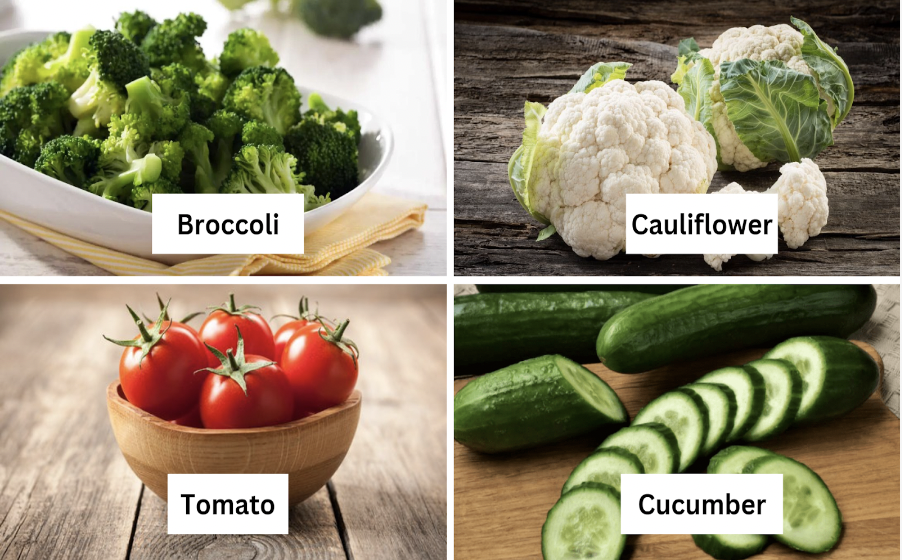
When it comes to grains, the diet encourages fiber-rich options like quinoa and brown rice. However, Dr. Gundry warns that these can contain lectins, proteins that may irritate the gut lining. He suggests alternatives like cauliflower rice to avoid potential inflammation.
Embracing a New Dietary Perspective
While the Maha diet offers a promising framework for healthier eating, Dr. Gundry's insights remind us of the nuances involved in dietary choices. By focusing on whole, nutrient-dense foods and being mindful of our intake of proteins and grains, we can work towards a more balanced and healthful diet. It's not just about following a set of rules but about making informed decisions that align with our individual needs and goals.
In closing, the Maha diet invites us to rethink our relationship with food, encouraging us to make choices that not only support our health but also our enjoyment of what we eat. With some thoughtful modifications, it might just be a step in the right direction.