The Hidden Ingredients: Understanding the Modern Food Landscape
Imagine biting into a plump, red strawberry only to find that its insides are stark white, devoid of the juicy sweetness you anticipated. This small act of disappointment is more than a mere consumer inconvenience; it is a window into the complex, often unsettling world of modern food production. Our supermarkets are stocked with foods that look perfect but are far from the natural bounty of years past.
The Quiet Revolution of Genetically Modified Foods
Genetically modified organisms, or GMOs, have quietly infiltrated our food supply. While proponents argue that GMOs can reduce pesticide use and combat malnutrition, critics raise concerns about their long-term effects. Dr. Barbara O'Neill and Dr. Bobby Price discuss how GMOs could potentially tamper with DNA and even cause cancer. While the science is still evolving, the possibility of such impacts is enough to make one pause.
The food you think is nourishing you might be slowly poisoning you.
— from the video
Reading Between the Lines
Food labels are often a maze of chemistry, filled with terms that are difficult to pronounce, let alone understand. The average grocery store offers an overwhelming array of products, yet a significant portion is owned by a few large corporations. This consolidation often leads to profit over nutrition, prioritizing shelf life and appearance over health benefits.
Check labels for unfamiliar ingredients and opt for the simplest choices.
Support local farmers and buy organic when possible.
Incorporate whole, unprocessed foods into your diet.
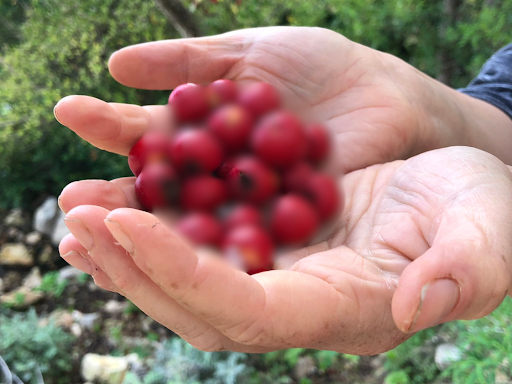
Hearing Ringing Every Night? Try This Unusual Berry Before Bedtime
Discover the berry solution for peaceful sleep tonight
The Bigger Picture: Health and Environment
Beyond personal health, our food choices have far-reaching environmental impacts. Practices like monoculture and factory farming contribute to climate change and soil degradation. The call to action is clear: by choosing foods that are nutrient-dense and sustainably produced, we can help protect the planet while nourishing our bodies.
A Simple Recipe for Change
Transitioning to a healthier diet does not require an overhaul overnight. Begin by cooking at home more often, which allows you to control ingredients and reduce hidden sugars and additives. Slowly reducing sugar intake can also make a significant difference in overall health.
Incorporate small changes. For one week, pay attention to how your food makes you feel. Consider if your choices serve your health or the interests of large food corporations. Each bite is a vote for the future you want to see.
Ultimately, the goal isn't perfection but progress. By making mindful choices, we can enjoy better health, more energy, and a greater sense of well-being. As we take these steps, however small, we invest in a future that values both our health and the health of the planet.