The Remarkable Journey of Fennel Seeds: A Daily Pinch for Well-being
Watch the source video
Imagine a tiny seed, a mere pinch of nature's bounty, holding the potential to transform your daily health routine. Fennel seeds have been cherished for centuries, praised for their ability to aid digestion, freshen breath, and more. But what truly happens when you make this small seed a part of your everyday life? Could such a humble addition to your diet really offer tangible benefits? Let's explore the world of fennel seeds and uncover the truths behind their storied reputation.
Detoxifying Power of Fennel Seeds
In our modern world, our bodies face a relentless barrage of toxins from every corner—our food, the air, even our household products. Over time, these toxins can accumulate, leaving us feeling depleted and unwell.
Fennel seeds are packed with antioxidants that support the body's natural detox mechanisms, particularly through enhancing liver function. Compounds like anethole and fenchone in fennel seeds help protect the liver and improve its ability to filter out harmful substances.
Studies indicate fennel seed extract supports liver health and has antioxidant properties that could aid in reducing oxidative stress.
— from the video
Freshening the Breath Naturally
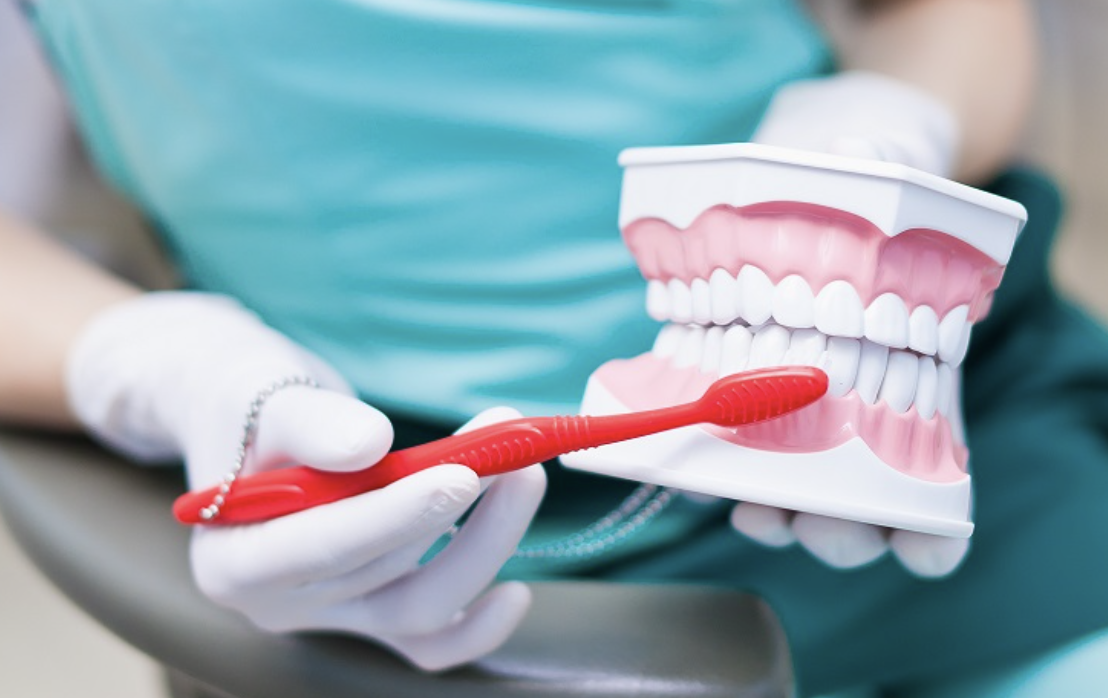
Bad breath can be an embarrassing issue, but fennel seeds offer a natural remedy. They contain essential oils like anethole, which combat the bacteria responsible for unpleasant odors. Chewing fennel seeds releases these oils, helping to neutralize bad breath and even promote oral health by stimulating saliva production, which is the mouth's natural defense against bacteria.
Chew a pinch of fennel seeds after meals to freshen breath.
Fennel seeds have long been used as a natural appetite suppressant, thanks to their aromatic compounds that can help curb cravings. This makes it easier to stick to a calorie-controlled diet. A study showed that women who drank fennel seed tea felt less hungry and consumed fewer calories, highlighting its potential role in weight management.
While fennel seeds may aid in weight management, they are best used as a complement to a balanced diet and regular exercise, rather than a standalone solution.
Precautions and Considerations
Though fennel seeds are generally safe for most people, there are precautions to consider. Pregnant women should consult healthcare providers before use, as fennel seeds may influence uterine contractions or milk production.
Additionally, those with allergies to plants in the carrot family or those on medications like blood thinners should approach fennel seeds with caution.
Some people may experience digestive discomfort or allergic reactions, so it's important to start with small amounts.
— from the video
Incorporating fennel seeds into your routine can be a simple, natural way to explore potential health benefits. Whether you're seeking to freshen your breath or support your digestion, these tiny seeds might offer a little extra edge on your path to wellness.