The Hormonal Balance Dance: Understanding and Navigating Imbalances
Watch the source video
In the intricate dance of hormones, progesterone is often the unsung hero, quietly ensuring harmony among the diverse cast of players. However, when this balance falters, it can lead to a multitude of symptoms for both women and men. Hormonal imbalances, often misunderstood, can manifest in ways that affect our everyday lives, from physical discomfort to emotional upheavals.
Understanding Hormonal Imbalances
For women, early menstrual cycles, heavy periods, and conditions like polycystic ovarian syndrome are common indicators of hormonal imbalance. In men, symptoms might include low sperm count and erectile dysfunction. These imbalances can have ripple effects, influencing everything from fertility to emotional wellbeing.
The Role of Environmental Factors
Modern life introduces a host of challenges to hormonal balance, not least of which are synthetic chemicals found in everyday items. Plastics, specifically those containing bisphenol A (BPA), can mimic estrogen and disrupt natural hormone functions. These xenoestrogens can sneak into our systems through food storage or contact with our skin.
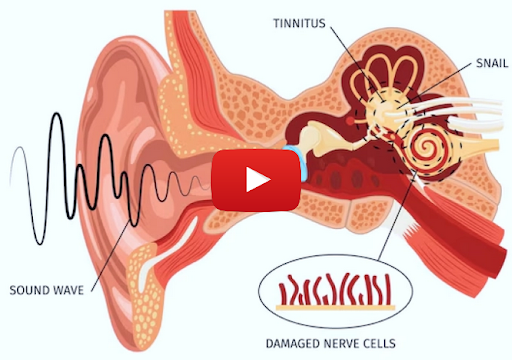
Discover the 5-second method to silence ear ringing
Dietary and Lifestyle Adjustments
Shifting dietary habits can be a powerful tool in addressing hormonal imbalances. Foods from the cabbage family, such as broccoli and kale, contain indoles that help the liver process estrogen effectively. Similarly, flax seeds and vitamin B-rich foods can support hormonal health.
Use glass or stainless steel for food and water storage.
Incorporate cabbage family vegetables daily.
Consider flax seeds as a dietary supplement.
Avoid prolonged use of plastics, especially with hot foods.
The first step in correcting hormonal imbalances is to 'turn off the tap' of external hormone disruptors, such as synthetic hormones and certain types of plastics.
— from the video
Natural Approaches to Hormonal Health
Barbara O'Neill suggests exploring natural solutions like wild yam cream, which may help the body produce its own progesterone. Unlike direct hormone supplementation, which can cause dependency, stimulating the body's natural processes can be a more sustainable approach.
Understanding and responding to the body's rhythms can also be a key aspect of family planning. Monitoring temperature changes, cervical mucus, and the cervix can empower women to understand their cycles and work with their partners for effective contraception.
Closing Thoughts
Hormonal imbalances are complex, but they are not insurmountable. By tuning into our bodies and making mindful choices about our environment and diet, we can take steps towards balance and wellbeing. Each small change contributes to a greater harmony, allowing us to lead healthier, more fulfilled lives.